As part of my development as a trainer I was introduced to VAK learning styles, a model of learning designed by Walter Burke Barbe and later developed by Neil Fleming.
The VAK learning model divides people into three categories of learner:
- Visual learning style involves the use of seen or observed things, including pictures, diagrams, demonstrations, displays, handouts, films, flip-chart, etc.
- Auditory learning style involves the transfer of information through listening: to the spoken word, of self or others, of sounds and noises.
- Kinesthetic learning involves physical experience - touching, feeling, holding, doing, practical hands-on experiences.
Here is a link to a questionnaire if you would like to assess your learning style.
VAK Questionnaire plus a nice energetic quiz and tips.
I remember running a workshop in Ghana, just using a colourful learning map on a flip chart. As I was enthusiastically explaining the map, one of the participants, smartphone in his hand said 'Ian can I film you explaining the learning map'. Of course I loved the spontaneity and said 'yes but please share it with the group'. We were effectively combining visual, auditory and kinesthetic ... and it wow did it work!
HOWEVER be aware .....
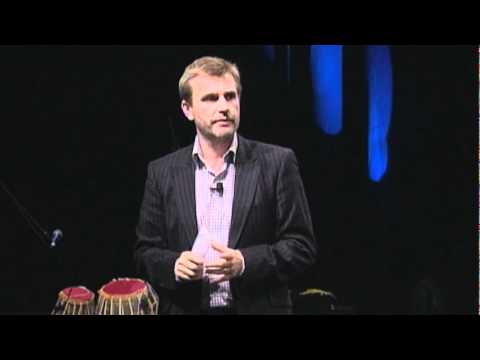
The belief in learning styles is so widespread, it is considered to be common sense. Few people ever challenge this belief, which has been deeply ingrained in our educational system. Teachers are routinely told that in order to be effective educators, they must identify & cater to individual students' learning styles; it is estimated that around 90% of students believe that they have a specific learning style but research suggests that learning styles don't actually exist! This presentation focuses on debunking this myth via research findings, explaining how/why the belief in learning styles is problematic, and examining the reasons why the belief persists despite the lack of evidence.
So please watch this TED talk



No comments:
Post a Comment